Mold Inspection in Dolton, IL
Suspected mold and hidden moisture are assessed in your Dolton home to define the next repair and cleanup steps. Call 24/7 to arrange your assessment.
- Visual and moisture checks
- Clear assessment and sampling scope
- Findings explained before cleanup
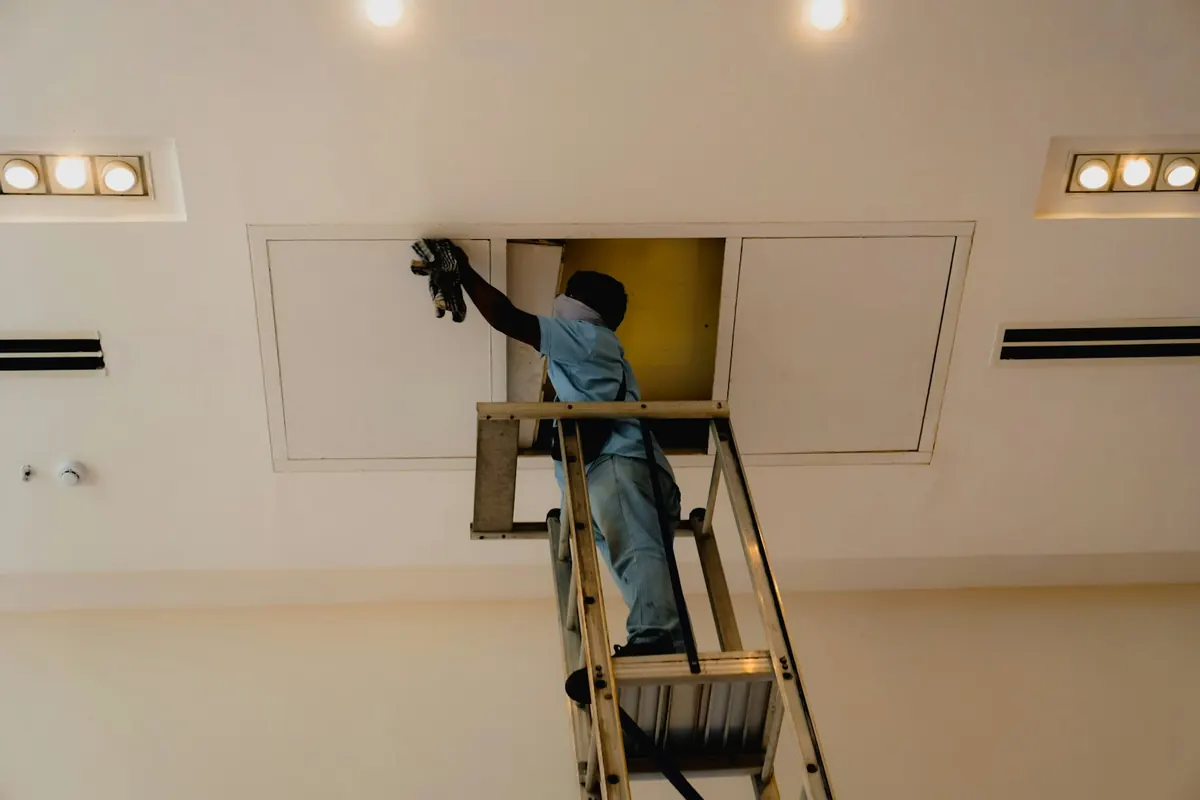
Mold Inspection Services in Dolton
Checks for growth and moisture cover your accessible cabinets, walls, attics, ceilings and crawl spaces. From those observations, the assessment identifies affected materials and probable places where water gets in.
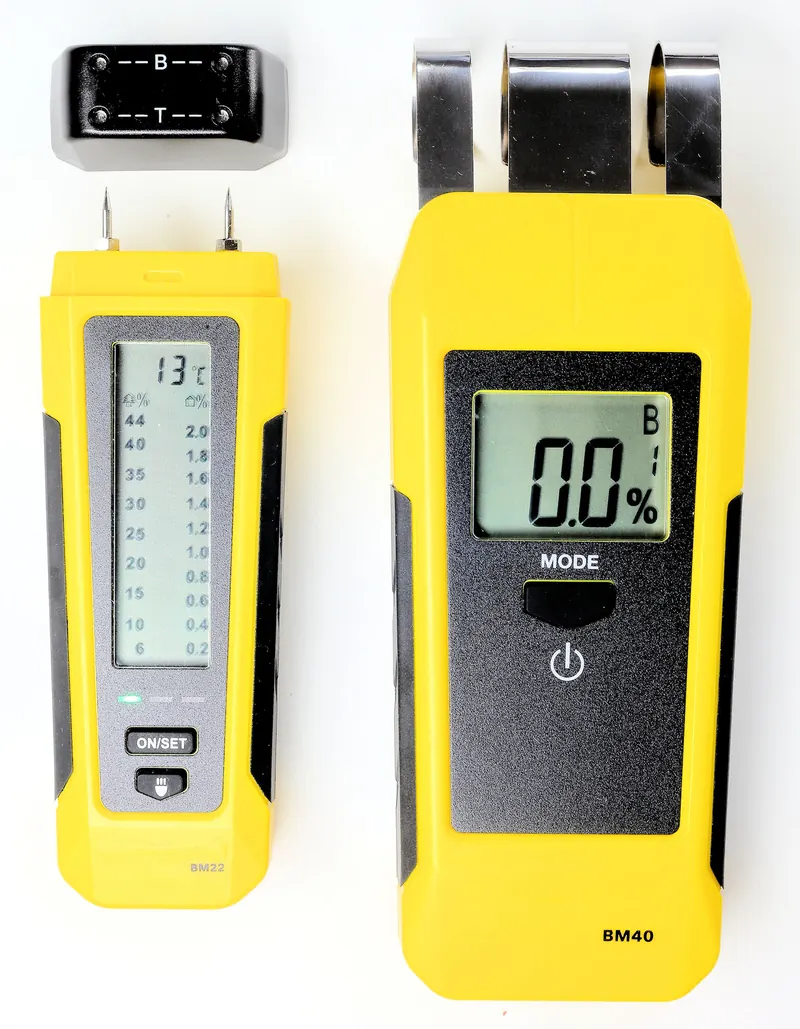
Your dampness map combines moisture meter measurements with visual checks. Temperature variations flagged by a thermal imaging camera need further investigation. This device, also known as an infrared camera, cannot identify mold.
You receive a written account of findings and access restrictions, with each recommended remediation step explained. A defined question guides any surface or air sampling. Interpretation of laboratory results also considers the moisture readings.
- Room-by-room assessment within your scope
- Using moisture mapping beside stains and leaks
- Checking attic access and crawl space access
- Targeted sampling when needed
- Affected material and cleanup scope
Mold Assessment in Dolton: Signs to Watch For
Recurring spots, damp finishes and unexplained odors are reasons to assess your property before covering damaged surfaces.
Mold Returns After Cleaning
Unresolved moisture leaves you with returning spots beneath sinks, beside windows or at baseboards.
Condensation and Damp Corners
Even with regular surface drying, your windows remain wet or dampness persists in wall corners.
Stains After a Leak
Water intrusion leaves lingering signs: rings on your ceiling, cabinet backing that swells or drywall that feels soft.
Suspected Mold Behind Finishes
Renovation exposes stained backing, damp insulation or patches on previously concealed framing.
Musty Odor Without Visible Growth
Your room smells musty even though the accessible walls and floors look clean.
How Mold Inspectors Assess Your Chicagoland Property
The visit determines your findings and scope of work. When cleanup forms part of that scope, assessment precedes containment; removal comes next, then cleaning, then drying, with verification last.
Call and Mold Assessment
Your call starts with the affected rooms. Inspection covers growth, staining and damage on accessible surfaces.
Moisture Source and Scope
Moisture mapping traces dampness and likely sources. In your written scope of work, assessment, repairs, sampling and cleanup have separate entries.
Containment Before Opening
Before exploratory opening, poly sheeting forms a containment barrier. Where necessary, HEPA filtration works with negative air pressure to restrict spreading particles.
Targeted Access and Material Removal
Openings made with authorization uncover suspect insulation or backing. Within containment, materials that cannot be saved are removed and bagged during agreed cleanup.
Cleaning the Exposed Area
Agreed cleanup uses HEPA vacuuming followed by damp cleaning on sound surfaces. To help control particles, a HEPA air scrubber is used.
Drying and Moisture Checks
A dehumidifier helps dry cleaned areas during remediation, alongside air movers operated under control. Drying progress is tracked through moisture readings before cavity closure.
Verification and Findings
Findings and limits on access are explained in your inspection report. After cleanup, an independent assessor conducts specified clearance testing, while post-remediation verification checks the cleaning and drying work.
Containment Removal
Completed cleaning, drying and agreed final checks precede removal of the barriers. Unfinished repairs stay noted within your scope.
Your Mold Inspection Choice: Why Chicago Mold Removal Services?
Controlled Exploratory Work
The work on affected materials determines appropriate containment and HEPA filtration when disturbance is involved.
Calls Answered 24/7
Day or night, one number lets you arrange an assessment anywhere across the metro.
Findings That Set Your Next Step
Your report links observations and moisture readings to cleanup needs.
Clear Mold Assessment Scope
Your scope sets out sampling needs, room coverage and access restrictions.
Moisture First
Moisture linked to repeated growth is traced during your assessment.
Preparing for Your Cook County Mold Assessment
Do not disturb suspect growth before your visit.
- Keep the affected area clear. Make suspect materials off-limits to pets and children.
- Leave wall finishes in place. Do not scrape, sand or open moldy surfaces before the visit.
- Stop a leak when safe. Stay clear of standing water beside electrical equipment.
- Keep suspect HVAC equipment off. If contamination is possible, EPA advises you to leave the system off.
- Limit fresh water damage. EPA recommends drying water-damaged items and areas within 24 to 48 hours as a way to prevent mold growth.
Mold Inspection Cost for Your Dolton, IL Property
Your inspection cost depends on access, property size and whether sampling is included. These Fixr figures distinguish assessment alone from a visit with testing and extra samples. Published ranges are not a quote for your property.
Two samples and lab testing included in a typical inspection: $500 average
$450 to $800 per inspectionSource: Fixr, Mold Inspection Cost (checked 2026-10-23)Inspection only, no testing
$300 to $600 per inspectionSource: Fixr, Mold Inspection Cost (checked 2026-10-23)Black mold inspection
$600 to $800 per inspectionSource: Fixr, Mold Inspection Cost (checked 2026-10-23)How Your Mold Inspection Price Varies
- Lab fees
- Number of samples
- Ease of entering crawl spaces and attics
- Home size
- Whether tests call for opening your drywall
Your Assessment Scope and Price
These published national ranges are planning figures. Your on-site assessment defines the work and price before cleanup starts, including any separate source repairs or rebuilding.
Call (844) 352-3560 about costMold Inspection Service Area Across Chicagoland
Call (844) 352-3560 to arrange cleanup in Dolton or nearby communities. One number covers the metro.
ZIP codes
Common Questions About Mold Inspection in Dolton
What affects assessment cost in Cook County?
What you pay depends on access, how large the property is and the sampling scope. Your cost cards show separate visits with no testing and visits including samples plus lab analysis. Taking extra samples or opening areas for investigation can increase work. Before your visit or any further work begins, your assessment scope sets out these differences.
Should testing follow your mold removal work?
Final checks confirm whether cleaning and drying have reached the agreed completion point. Before barriers are removed, specified clearance testing falls to an independent assessor. Results are considered alongside visible conditions and moisture readings. There is no federal indoor mold limit, so a lab number alone is not a universal pass mark.
Will drywall need removal during your visit?
Without drywall removal, many assessments begin by checking reachable surfaces and taking moisture readings. Investigating possible hidden damage may mean making an authorized opening using suitable precautions. Removal of moldy drywall or damaged backing may become necessary when cleanup follows. Your findings separate verified damage from hidden areas left uninspected because access was unavailable during the visit.
How long does an assessment take in Dolton?
Investigating concealed areas, the number of rooms and available access all influence your inspection time. A visit limited to looking differs from wall opening or sample collection. During assessment, findings are documented wherever areas allow access. With testing included, the time needed for lab processing affects when you receive a completed report.
Will the visit cover removal as well as moisture repairs?
The assessment identifies affected materials alongside the moisture issue. Removal, plumbing repairs, roof work and rebuilding are included only when listed in your scope. Any subsequent cleanup proceeds from containment to removal of materials, followed by cleaning, then drying and final checks. Required repairs to the source stay in your plan ahead of closing cavities with new finishes.
Are mold inspection and testing always required as a pair?
You often do not need sampling for growth you can see, according to EPA guidance. When a particular question influences the work, testing is included if results can answer that question. A tape lift, swab sample or spore trap is examined by an independent testing lab. Site observations and access limitations inform how those findings are interpreted, together with moisture readings.
Can you stay home during the assessment?
With a visual assessment, access usually remains available to rooms outside the area under immediate inspection. Later contained cleanup or exploratory openings can require different arrangements. Your layout and household needs shape usable areas along with the available access routes. The visit cannot establish unrestricted occupancy clearance, and restricted work zones remain isolated during disturbance of materials.
Considering Insurance for a Mold Assessment in Illinois
Homeowners insurance coverage depends on your policy, moisture cause, exclusions and deductible. Assessment, testing, removal and source repairs may receive different coverage decisions.
Taking Precautions During a Mold Assessment in Chicagoland
Access limits and disturbance risks shape how your property is assessed.
Restricted Access
Unsafe attic flooring or tight crawl spaces can limit the inspection.
Mold Color
CDC says color does not tell you how risky a mold is.
Opening Moldy Materials
An investigative opening needs appropriate protective equipment and containment because mold spores can escape.
Hidden Moisture
Insulation behind a dry surface may have a condition the surface does not reveal.
Cleanup scope: According to EPA, homeowners can often clean areas smaller than about 10 square feet themselves. Larger affected areas and HVAC involvement need professional attention, as does mold from sewage or contaminated water.
Your Cook County Assessment of Mold-Affected Materials
Your assessment identifies cleanable surfaces and materials that may need removal during cleanup.
Non-Porous Surfaces
- Sound glass, tile and metal may be cleaned and dried.
Porous Materials
- For moldy ceiling tiles, drywall and carpet, removal may be needed; cleaning may suffice for sound wood.
Concealed Damage
- Backing and insulation receive assessment through authorized openings that make them accessible.
Understanding Mold Inspection Time for Cook County Properties
Your timetable varies with access conditions, how deeply the inspection goes and any lab work.
- Site visit: Difficult crawl space access, hard-to-enter attics and more rooms can increase the length of your visit.
- Further investigation: Extra sampling along with authorized openings may increase the work required.
- Completed findings: When lab analysis is part of your assessment, report completion depends on it.
Checking for Mold and Musty Odor in Dolton
You cannot judge the amount of growth by mustiness, though it guides the search. Within the agreed scope, accessible adjoining spaces and cabinets are examined.
You still need to fix the water problem to prevent mold returning; humidity control helps with moisture correction. EPA recommends 30 to 50 percent as ideal for indoor relative humidity, which should stay below 60 percent.
Requirements for Your Illinois Mold Assessment
Mold Inspector Requirements
Illinois does not currently require mold remediation professionals to hold a state license. A Mold Remediation Registration Act (Public Act 103-0893) has passed, but the Illinois Department of Public Health says registration is not required until it finishes its rulemaking, so check its page for updates. If you are hiring someone, ask about their training and experience, and check your local contractor rules.
Exploratory Access
Shared-area entry and wall openings need the appropriate authorization.
Indoor Mold Levels
No federal indoor mold level limit has been set by EPA. A spore count by itself does not demonstrate that your home is safe.
State Mold Information
The Illinois Department of Public Health Toxicology Program answers mold questions mostly by phone and email ([email protected]) and posts mold fact sheets, FAQs, and exposure tips. Onsite visits are limited to special cases.
State guidance: IDPH: Mold Remediation Registration; IDPH: Indoor Air Quality and Healthy Homes
Related Services and Next Steps
Start Your Mold Inspection in Dolton
Call 24/7 to arrange your assessment. Your cleanup starts with the affected surfaces, moisture source and access to your home.